English (United Kingdom)
  Deutsch (Deutschland)
  Français (France)
  Magyar (Magyarország)
  Italiano (IT)
  Slovenščina (SL)
  Svenska

October 2025
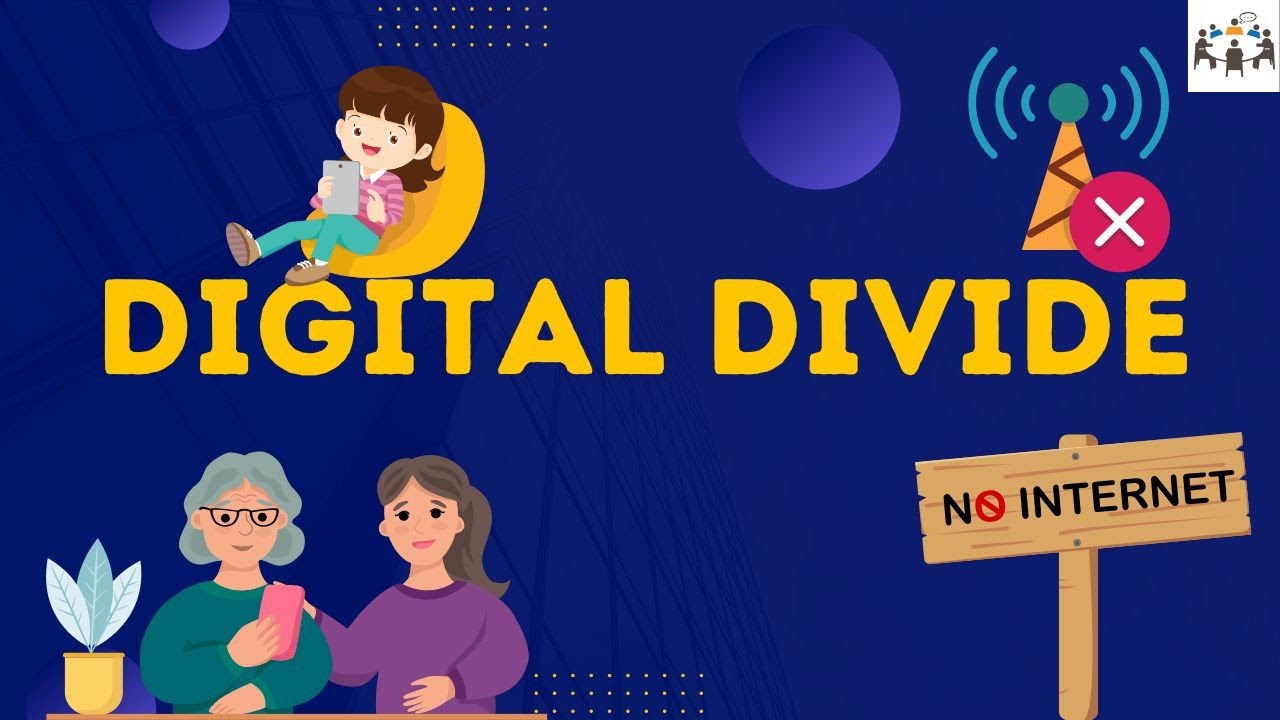
Sweden is often viewed as one of the world’s most digital nations—a place where banking, healthcare, public services, communication, and even daily errands happen online with ease. Yet behind this reputation lies a growing issue that is easy to overlook: not everyone in Sweden is keeping up with digitalisation. Despite the country’s advanced infrastructure and digital-first approach, large groups of adults still lack the skills needed to navigate everyday digital tasks, and the consequences of this gap are becoming increasingly serious.
The digital divide in Sweden affects several vulnerable groups in different ways. Seniors, for example, face enormous challenges as society becomes increasingly cashless and service-oriented through apps and online platforms. Many older adults feel insecure using BankID, managing medical information on 1177, or distinguishing safe communication from online scams. What for younger generations feels straightforward can, for seniors, be intimidating and disorienting. When they struggle digitally, they risk losing not only practical access to services but also independence, confidence, and participation in social life.
Migrants arriving in Sweden encounter another layer of difficulty. From their first day, they are expected to navigate one of Europe’s most digitalised systems. They must search for jobs online, submit forms to authorities, register for healthcare, communicate with public agencies, and understand platforms that are part of Swedish daily life but unfamiliar to them. Language barriers, cultural differences, and the complexity of digital identification systems create obstacles that can turn essential tasks into overwhelming challenges. Instead of supporting integration, digital tools can inadvertently make it harder.
Low-skilled adults also face rising pressure from a labour market transformed by automation and digitalisation. Jobs that previously required little or no digital interaction now depend on digital dashboards, scheduling apps, communication platforms, and online reporting systems. Without digital skills, workers risk losing access to employment opportunities or being unable to adapt to new workplace expectations. This growing digital competence gap directly affects job security, mobility, and long-term employability.
In rural areas, the situation is different but no less important. Despite strong national investments in broadband infrastructure, digital inclusion cannot be achieved through connectivity alone. Adults in remote areas often have fewer opportunities for training, less exposure to digital tools, and limited access to support. Even with fast internet, many feel disconnected from Sweden’s rapidly evolving digital society simply because they have not had the chance to learn the skills they need.
The digital divide in Sweden is not merely a technical issue—it affects people’s rights, well-being, and ability to participate fully in society. Digital competence now shapes access to healthcare, employment, public services, financial management, social life, and democratic engagement. When adults lack these skills, the impact is profound: they may become dependent on others, excluded from opportunities, or vulnerable to misinformation and online risks.
True digital inclusion in Sweden requires more than access to devices or internet connections. It demands supportive learning environments, practical training, patient guidance, and education that builds confidence, not just technical ability. Adults need to understand how digital systems work, how to stay safe online, how to identify reliable information, and how to use digital tools to navigate everyday life independently.
Ensuring digital competence for all is ultimately about fairness, dignity, and opportunity. In a country where digitalisation touches nearly every aspect of daily life, supporting adults in building these skills is essential. When people feel confident online, they gain autonomy. When they gain autonomy, they participate more fully in society. And when society becomes more inclusive, Sweden moves closer to the ideals it is known for: equality, accessibility, and lifelong learning for everyone.