Introduction
The implementation of the DigComp framework in France has become increasingly essential to bridge the digital skills gap among adults. With digital literacy playing a key role in personal and professional development, the French government, educational institutions and various stakeholders have taken significant steps to integrate these skills into adult education programmes.
Initiatives such as:
- PIX assessment platform
- Grande École du Numérique
- Stratégie Nationale d'Inclusion Numérique
underline the commitment to promoting a digitally literate population.
Obstacles
 Despite the progress that has been made, a number of obstacles stand in the way of the full implementation of DigComp in adult education. These include:
- the digital divide
- the lack of knowledge and understanding of the DigComp framework,
- the insufficient level of competence of trainers on the subject,
- the lack of funding and resources of stakeholders,
- and the general fragmentation of stakeholders and tools.
Recommendations
for enhancing the implementation of DigComp in adult education in France
1. Improving digital infrastructure and accessibility
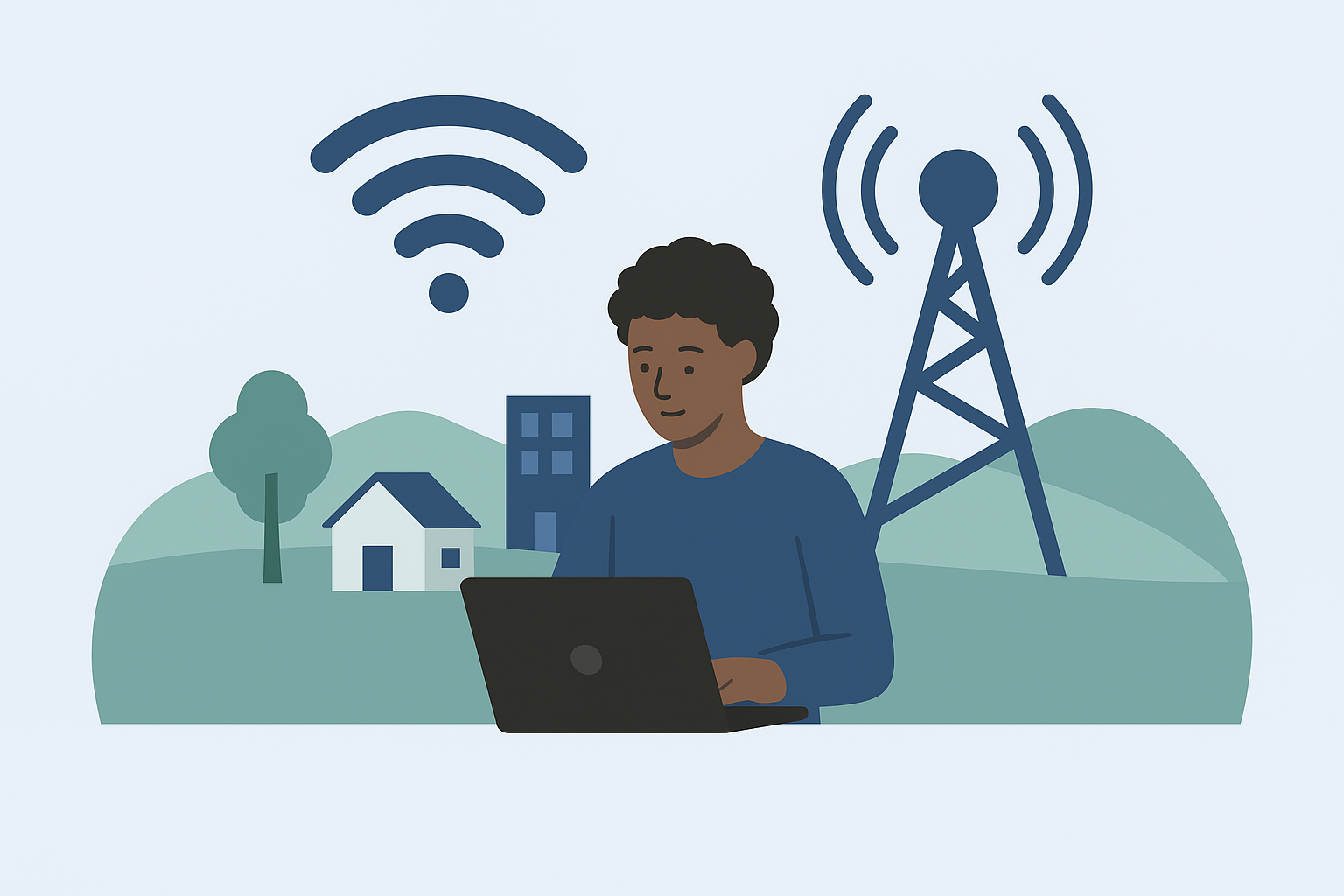
Invest in developing access to digital tools and mediation in rural andunderservedareas. Partnerships between local authorities, Internet service providers and adult education institutions should be encouraged to make work on bridging the digital divide more effective and to make digital skills training more accessible.
2. Raising awareness through targeted campaigns
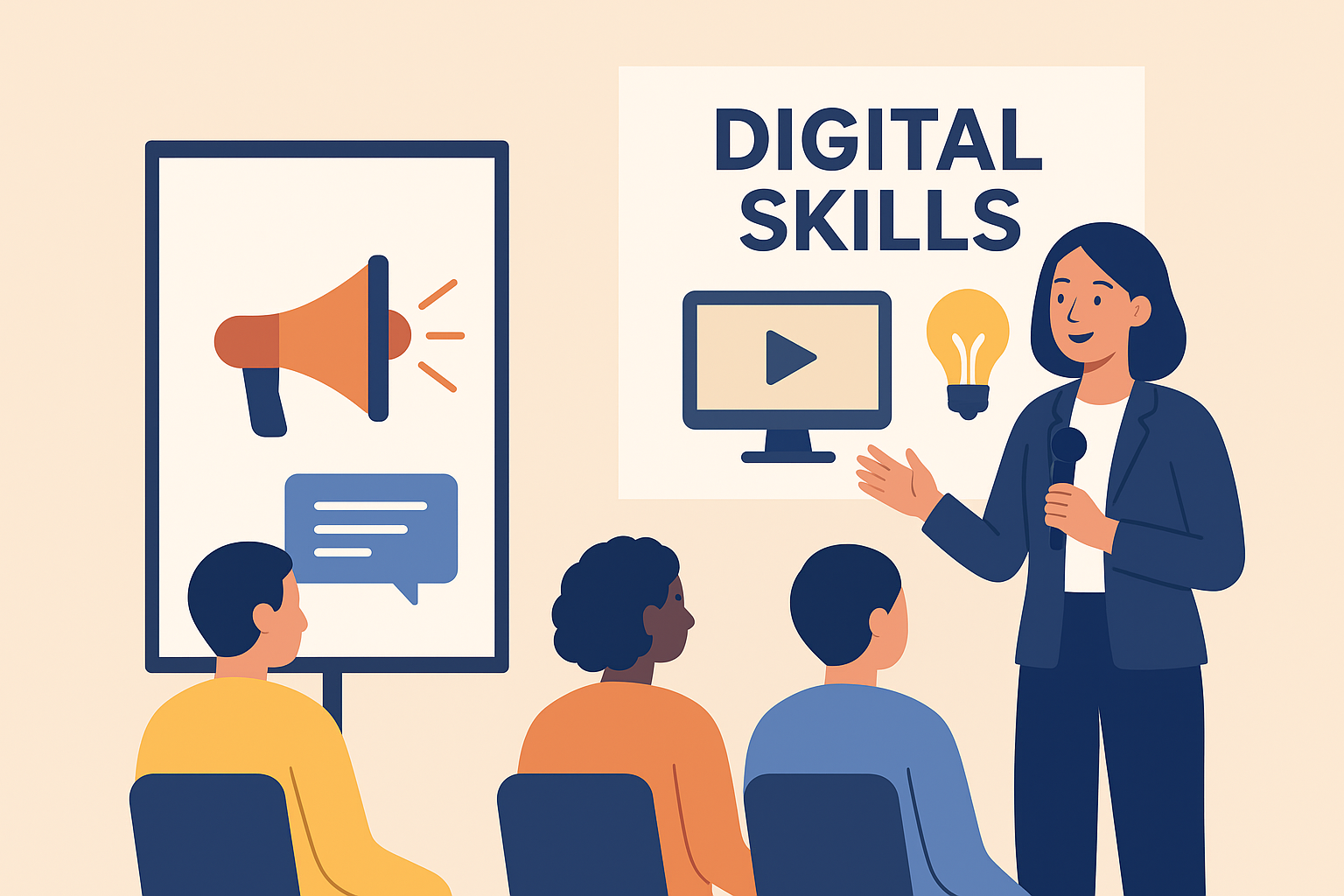
Launch national and local awareness campaigns that explain the importance of digital skills for personal and professional development. Highlight the relevance of DigComp through online platforms, local events and education centres. Tailor awareness to under-represented groups, using clear messages about how DigComp skills translate into improvements in careers and everyday life.
3. Reinforce the development of educators' professional skills
 Provide educators with comprehensive training programmes based on the DigComp framework and innovative teaching methods. Ensure that trainers understand the DigComp skills and can teach them effectively. Provide ongoing support and refresher training to ensure consistent quality of training delivered.
4. Improving funding and resource allocation
Securing additional funding through various channels such as government grants, EU funding and public-private partnerships to ensure that adult education centres can offer high-quality programmes aligned with DigComp. Develop resource-sharing platforms where institutions can pool learning materials, best practice and pedagogical tools to reduce costs and improve programme quality.
5. Foster collaborative partnerships
Encourage collaboration between government agencies, educational institutions and private sector organisations to reduce fragmentation in the implementation of DigComp. Establish common frameworks and objectives to ensure consistency in the digital skills taught and assessed across different programmes and regions.